
Foamlyt Concrete Manufacturers in Chennai
Foamlyt Manufacturers in Chennai
Need a building material that would save on weight without sabotaging performance? Foamlyt is a new lightweight concrete, which is developed in accordance with the demands of the construction sector in the present century. Foamlyt is an alternative to conventional concrete that is available at Mcube RMX, and it helps builders to undertake construction faster, with increased insulation and structural efficiency.
We are our customers’ preferred Foamlyt Concrete Manufacturers in Chennai for our premium-grade products. Foamlyt is designed to be convenient in application, so it has a wide variety of residential, commercial, and industrial applications. As a lightweight material with a steady performance, Foamlyt is in line with smarter building practices, not sacrificing its reliability and durability.
What Is Foamlyt™?
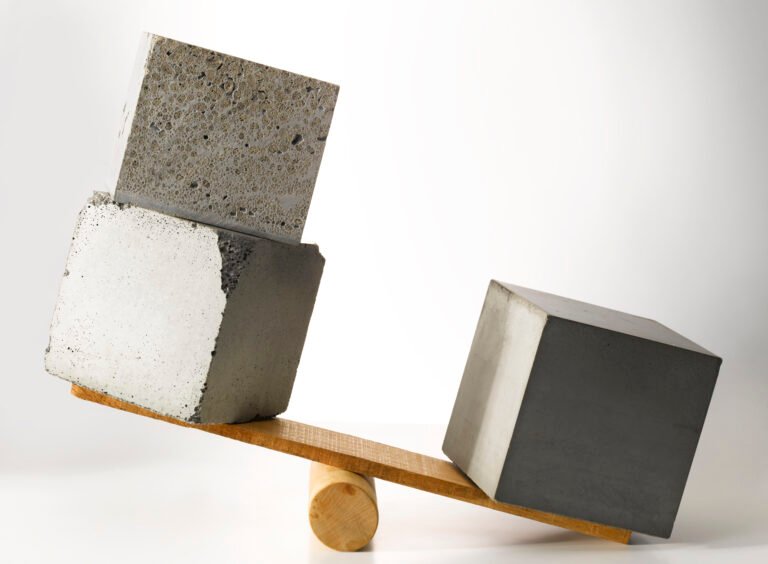
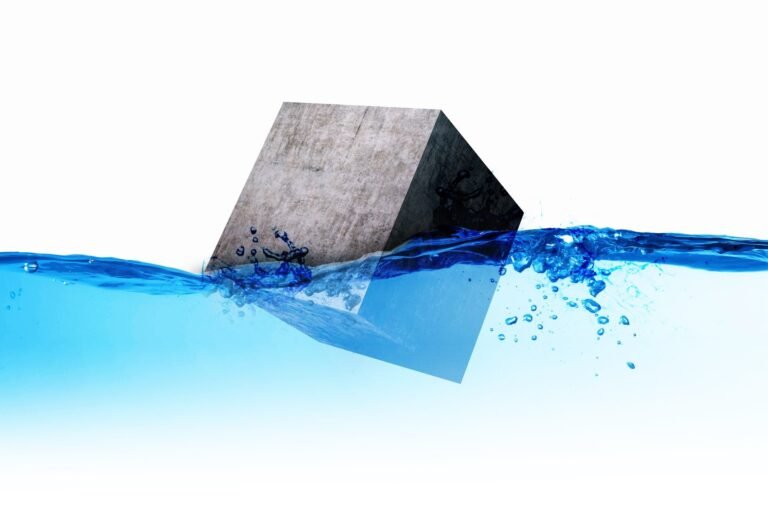
Foamlyt is a purpose-formulated lightweight foam concrete, which is designed by adding a controlled amount of air bubbles to a cement-based slurry. These regularly spaced air pockets reduce the general density of the concrete in a good manner without compromising on the structural strength to be used in non-structural and semi-structural buildings. It pours quite freely in places and fills the empty places in an almost perfect manner, which solidifies in place, forming a stable and uniform material that promotes efficient building actions.
The importance of Lightweight Concrete
Minimisation of dead load, particularly on high-rise buildings, renovations, and other massive developments, is of the essence in modern construction. Foamlyt meets this demand by reducing the weight of the structure, thus cutting weight on foundations, columns, and beams. It is a perfect solution in which the reduction of weight, convenience of use, and quantitative performance are critical.
Where Foamlyt™ Is Used
- Floor levelling and screeds
- Insulation of the roof and creation of a slope.
- The first one is void filling, and the second is trench backfilling.
- Part attachment wall fillings and block fillings.
- Floor layers and pavement sub-base.
- Sound- and heat-insulating layers.
Specifications
Product Type | Lightweight Foam Concrete (Foamlyt™) |
Dry Density Range | 300 – 1200 kg/m³ (customizable) |
Compressive Strength | As per the density requirement |
Workability | High, self-flowing |
Placement Method | Pumped or poured |
Thermal Insulation | Excellent |
Sound Insulation | Good acoustic performance |
Water Absorption | Low |
Shrinkage | Minimal |
Finish | Smooth and level surface |
Curing | Standard water curing |
Standards | As per IS / relevant industry norms |
Key Benefits of Foamlyt™
Lightweight Construction: This highly minimises dead loading of structures.
Outstanding Flowability: No vibrating filler that can fill in voids and irregularities.
Thermal Insulation: To assist in the regulation of the degree of warmth indoors.
Sound Insulation: This lowers the transmission of noise between floors.
Rapid Installation: Rapid pumping and installation can save time in construction.
Less Material Consumption: It involves less usage of concrete and steel in supporting structures.
Crack Resistance: Minimum cracking on the surface is obtained through low shrinkage.
Cost-Effective: Reduces workforce, handling and general costs of the project.
Eco-friendly: It requires less raw material than normal concrete.
Why Choose Us
Experts in Lightweight Concrete: We possess firsthand experience in the production and distribution of Foamlyt in a broad spectrum of building projects.
Constant Quality: Foamlyt ™ is produced under stringent quality control and therefore, each batch of Foamlyt has equal density, flowability, and performance.
Bespoke Solutions: Both mix and density solutions can be modified to match the floor levelling, insulation, or void fills.
Simple Application Support: We advise on pumping, pouring and curing of the application so that it can be carried out on site with ease.
Lightweight & Efficient: Foamlyt™ allows the reduction of structural loading, as well as accelerates the construction process without losing reliability.
Secure utilisation: Efficient use of production and logistics will result in timely supply to keep your project on schedule.
Cost-Efficient Strategy: This can be achieved through decreased use of material, quicker implementation, and less exertion or labour in controlling the cost of the project.
Reliable Project Support: We provide a reliable team to facilitate your construction process from the planning phase to the final construction.
Get Started with Foamlyt™
Build smarter and lighter with Foamlyt™ from our best Foamlyt Manufacturers in Chennai. Whether you need floor levelling, insulation, or void filling solutions, Foamlyt™ offers a dependable and efficient alternative to conventional concrete. Contact us today to discuss your project needs, request technical details, or schedule a consultation with our experts.
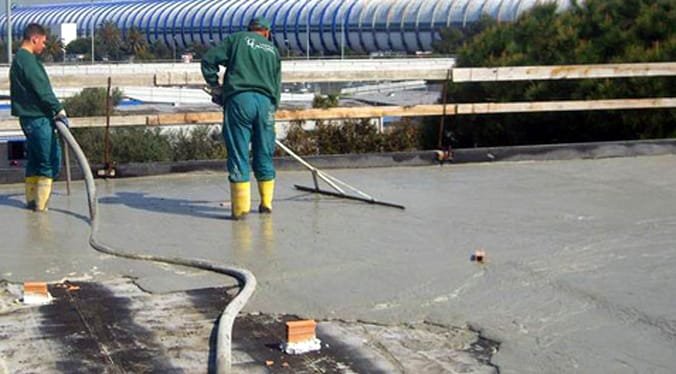
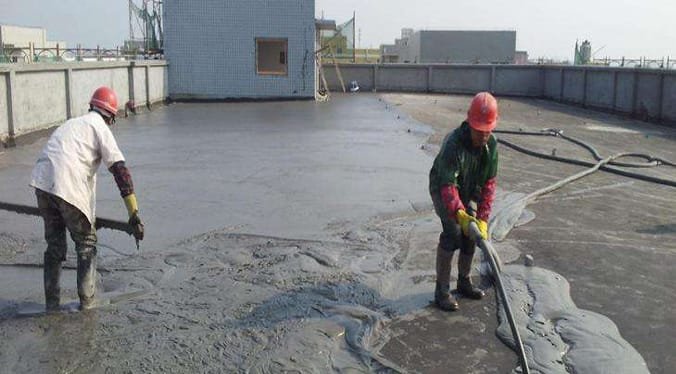
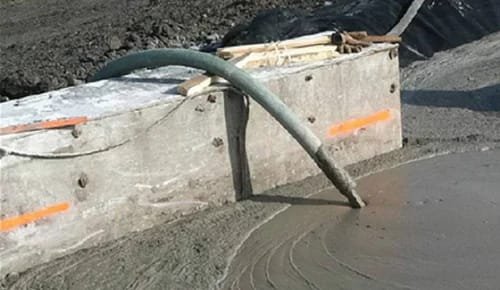
MANUFACTURE OF FOAM CONCRETE
The components of foam concrete mix should be set by their functional role in order as follows:
❖ Foaming agent
❖ Binding agent
❖ Water
❖ Fine Aggregate
❖ Admixtures.
Foamed concrete typically consists of a slurry of cement or fly ash and sand and water, although some suppliers recommend pure cement and water with the foaming agent for very lightweight mixes.
Application Guide & Customer Advisory Note for
Best Practices for Placing and Curing foamlytTM
1.Prevent Rapid Surface Drying
Cover the surface with polythene sheets to reduce moisture loss and prevent early-age cracking.
2.Place Concrete Under Favorable Ambient Conditions
Avoid placing foamlytTM during high temperatures, strong sunlight, or windy conditions, as these accelerate evaporation and can cause surface crusting, foam collapse, or micro-cracking.
3.Maintain a Stable, Calm Environment
During the first 24–48 hours, protect the area from strong air drafts, fans, or cross-ventilation to preserve the foam structure and ensure uniform setting
4.Allow Natural Setting – No Vibration
Do not use vibrators. The foam structure is delicate and cannot withstand mechanical vibration. Allow the material to flow and self-level naturally.
5.Introduce Gentle Ventilation After 24 Hours
Once the initial set has occurred, controlled and gentle air circulation may be introduced to assist drying. Avoid strong airflow during the first day.
6.Handle Edges and Surface with Care
If finishing is required, use wooden trowels. Avoid steel floats unless a surface skin or topping layer is being applied.
7.Maintain Adequate Moisture
In hot or dry conditions, keep the surface moist after initial setting using light mist sprays or wet hessian to prevent shrinkage and cracking.
DON’Ts:
Restrict Access Until Fully Set
Do not walk on foamlytTM until it has fully set and the cellular structure has stabilized. Even light foot pressure can cause damage. Only gentle misting is permitted during this period.
Avoid High-Pressure Water Curing
Do not use high-pressure water for curing in the early stages, as it can disturb the surface and damage the foam structure.
Monitor Closely During the First 24 Hours
The first 24 hours are a critical “incubation” period. Do not leave the site unattended. Begin light spraying or sprinkling of water only after approximately 12 hours, and continue close monitoring.
Do Not Use Artificial Heat to Accelerate Setting
Heaters, blowers, or hot air guns must not be used to speed up setting, as they can cause uneven drying, excessive shrinkage, and cracking.
Allow Adequate Surface Skin Development
Do not apply loads or proceed with subsequent work until a sufficient surface skin has formed.
Avoid Pouring Over Damaged AAC Blocks
Do not place foamlyt TM over broken or broken AAC / CLC blocks. Past observations show that this can lead to sudden and uneven settlement after few months.
How foamlytTM differs from Traditional concrete with coarse aggregates
Purpose of foamlytTM is entirely differs from structural grade concrete like M25 – Foam concrete is designed for:
Weight reduction
Thermal and sound insulation
Non-load bearing fills
Void filling and trench reinstatement
Roof insulation layers
foamlytTM – Demands careful handling due to its inherent fragility
Needs protection and patience
Can’t bear external force or touch early on
Grows stronger only with time and care
If handled properly, it will “grow up” into a reliable, insulating, and stable concrete. But if disturbed or ignored during early stages, it may not develop enough strength, or even fail before it sets.
Final Recommendations:
Choose the appropriate density as suggested by the structural consultant or architect — not the lightest possible, but the lightest needed. Respect the early life of foamlytTM — allow it to develop.
Have questions or need assistance?
We’re here to help. Just fill out the form and we’ll be in touch soon!